

The Global Race for India's Pie: How Finland Can Seize Its First Foothold
Finland already possesses what many larger nations lack: a trusted political relationship with India, genuine technological complementarities, a world-class innovation ecosystem, and the institutional scaffolding upon which to build. What it lacks is scale, visibility, and a unified strategic architecture that connects these assets into a coherent market proposition for Finnish companies and Indian partners alike. Finland can claim its slice of India’s pie. The ingredients—deep tech, sustainability leadership, a values-based approach to technology, a vibrant startup ecosystem—are in place. What is needed now is the ambition to match the opportunity and the institutional commitment to see it through. The race is on. The question is whether Finland will sprint or continue to jog.
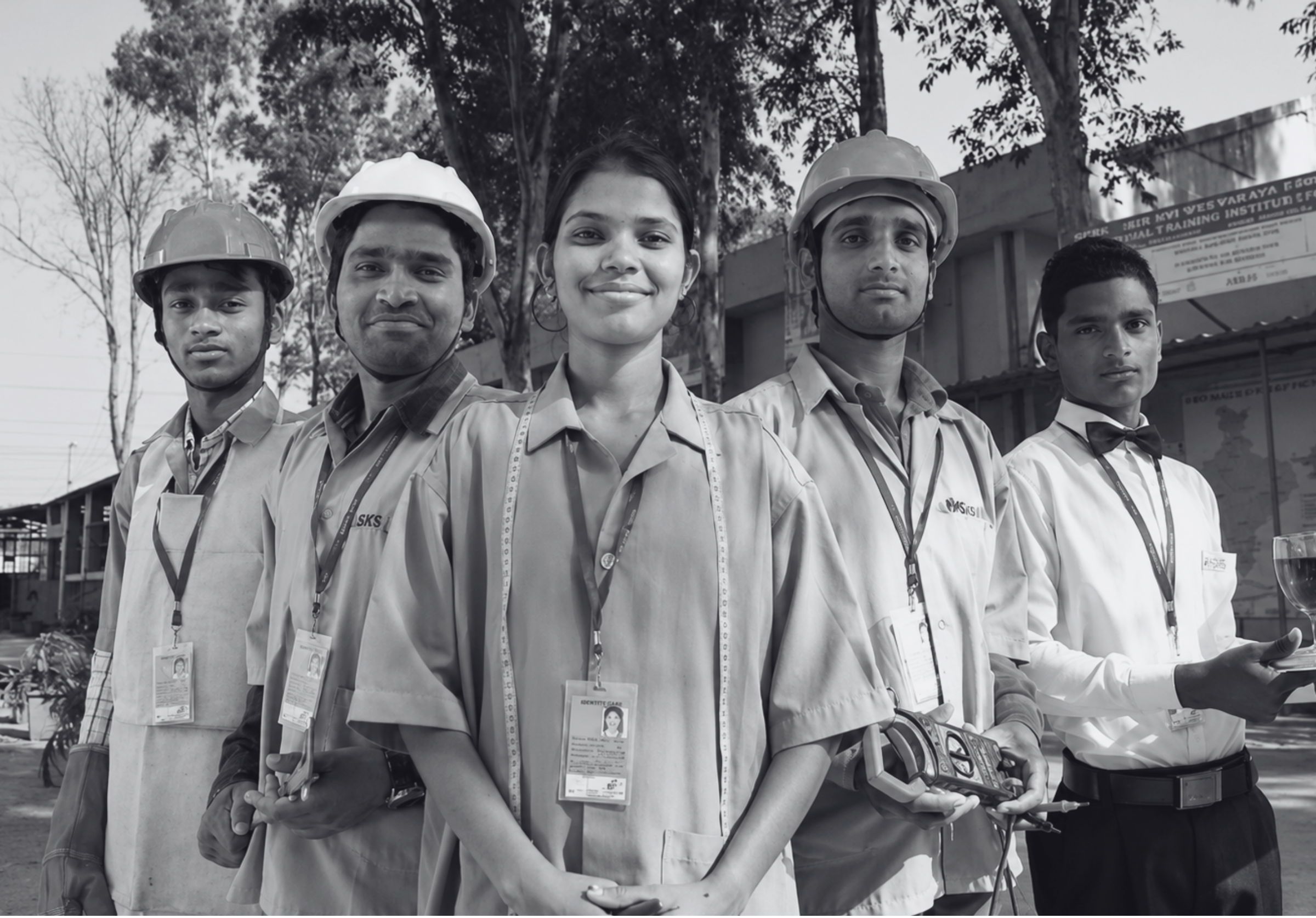
Beyond Talent Boost: Finland’s Next Talent Question Is Blue- and Grey-Collar, and India May Hold the Answers
Finland’s labour debate often focuses on specialists, students and start-up talent. But the next serious workforce question may be more practical: how to build ethical, employer-ready pathways for skilled blue-grey collar workers from countries such as India.
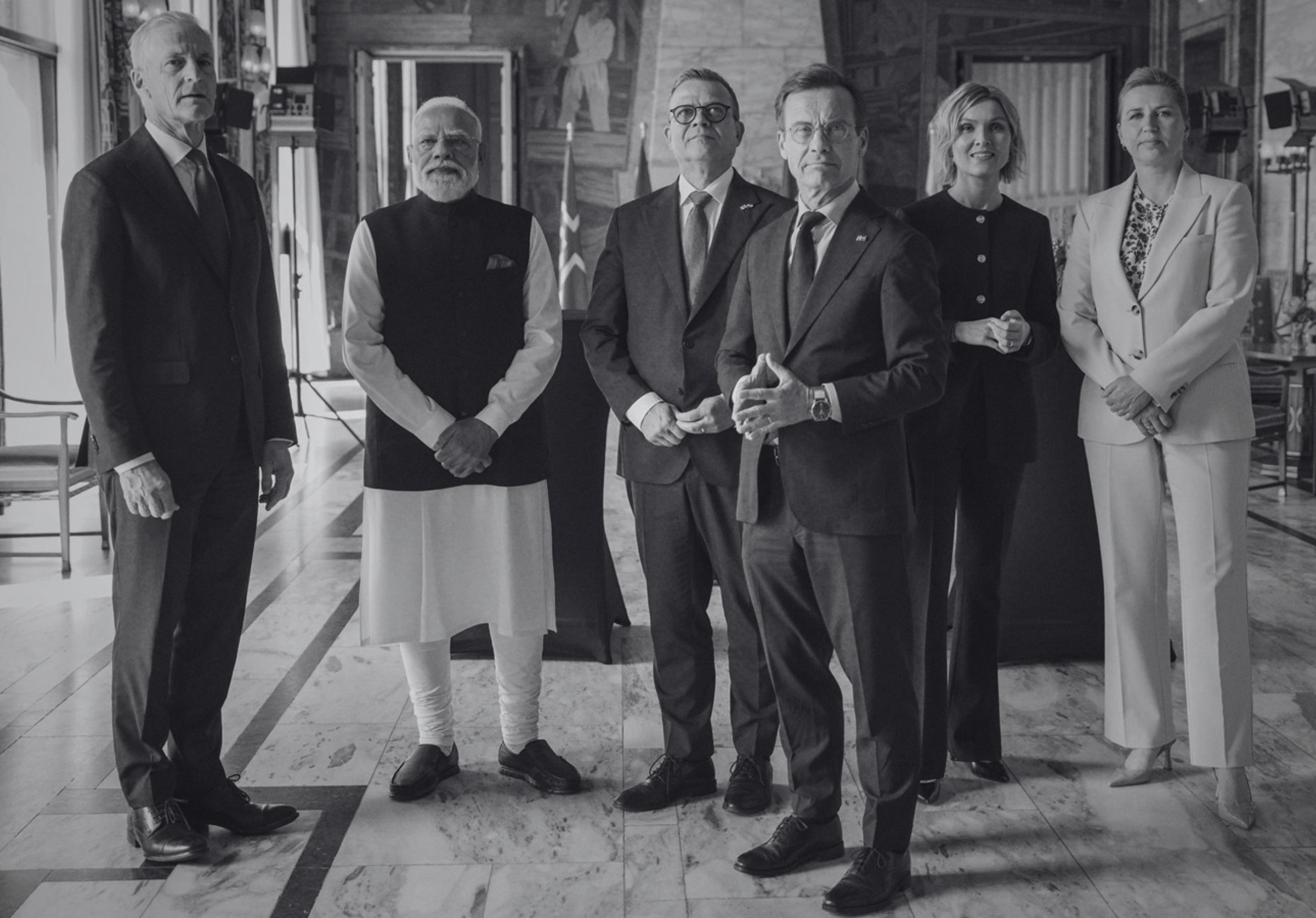
India-Nordic Summit 2026: Why Finland’s India Opportunity Has Become More Serious
The India-Nordic Summit 2026 marks a turning point in the Finland–India relationship. Beyond diplomatic headlines, a deeper economic corridor is emerging across digitalisation, circular economy, green transition, AI, advanced manufacturing and talent mobility. This article examines how recent developments, including the India-EU FTA negotiations, the India-Finland Strategic Partnership, and new innovation partnerships, are reshaping opportunities for Finnish and Indian firms, universities, startups and public institutions.
Exporting to India from Finland
Finland has genuine product-market fit in India across several industrial sectors. Though demand is palpable, there is a regulatory and commercial distance between the two markets. India's product certification runs through several sectoral regulators, not a single conformity framework. Import duties apply as a cumulative unit. Payment terms are longer than European norms, and the gap between signing a distributor and generating consistent revenue is wider than it tends to be in Europe. This guide sets out what Finnish manufacturers and SMEs need to know before their first shipment and before their first commercial conversation with an Indian counterpart.

Same Container, Different Journey
Indian textile exporters face fragmented EU regulations—different HS codes, duty rates, and compliance rules for similar products such as rugs and curtains entering Finland. This article explains what exporters must prepare for before the EU-India FTA changes the economics.
Exporting to Finland from India
Indian exporters are increasingly exploring the Nordic region, but entering the EU market requires navigating complex regulatory and compliance frameworks. This guide explains how Indian MSMEs can export to Finland successfully, covering EU regulations, conformity assessment, market surveillance, and sector-specific opportunities. It provides a practical roadmap for companies seeking to access Finland and the wider Nordic market.